
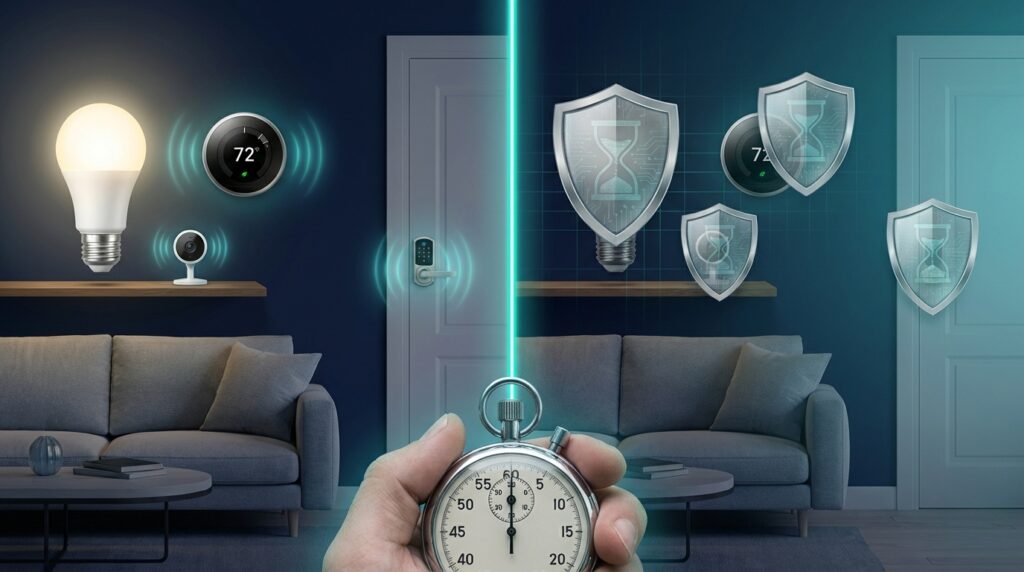
Choosing the right technology for your house can feel overwhelming. There are so many brands and products available. This guide cuts through the noise to focus on one crucial factor: long-term reliability.
Modern connected living offers fantastic benefits. You get remote control, helpful sensors, and easy scheduling through apps. These innovations make daily life more convenient and efficient.
Our analysis goes beyond first impressions. We look at how well these items hold up over months and years of use. Trusted sources like CNET continuously test the latest gear to see what truly lasts.
We examine many categories, from lights and thermostats to security systems. The goal is to find which manufacturers deliver consistent performance and strong support. This helps you build a seamless, frustration-free ecosystem.
Key Takeaways
- Reliability means a product works well now and continues to perform over time.
- Leading reviewers conduct real-world tests on the newest devices.
- Durability and consistent operation are more important than flashy features.
- Good customer support is a key sign of a trustworthy brand.
- Integration with other gadgets in your house creates a smoother experience.
- This guide helps you invest in technology that grows with your needs.
Introduction: The Rise of Smart Home Hardware
The journey into automated living has accelerated dramatically. It brings a universe of connected gadgets into our daily routines. What started as simple remote-controlled lights has blossomed into whole-house systems.
Market Overview and Trends
This market now offers items for nearly every task. You can find voice assistants, security cameras, and even internet-connected kitchen appliances. The goal is a seamless experience that makes life easier.
Consumers increasingly want gear that works reliably right away. They prefer items that integrate well without constant fixes. Genuine convenience is the true trend, not just more complex technology.
Why Reliability Is Essential
With so many options, picking trustworthy products is harder than ever. A device that often disconnects or fails creates more hassle than help. This defeats the entire point of adding automation to your house.
When these tools work consistently over time, they deliver real value. They automate chores, improve security, and save energy. Investing in reliable technology ensures your system grows with your needs, not against them.
Understanding Reliability in Smart Home Devices
What separates exceptional connected devices from mediocre ones often comes down to one critical factor: dependable operation. True reliability means your technology works predictably every single day. It shouldn’t require constant troubleshooting or resetting to maintain basic functions.
A truly reliable smart home device maintains stable connections to your network. It responds quickly to commands from apps or voice assistants. Automated routines execute smoothly without unexpected failures disrupting your daily flow.
Long-term performance depends heavily on manufacturer support. Regular firmware updates address security risks and fix software issues. This commitment ensures your devices remain functional and secure for years after purchase.
Physical durability is equally important. These products must withstand environmental conditions in their intended locations. Temperature changes, humidity, and regular use shouldn’t cause premature failure.
Understanding these reliability factors helps consumers make smarter choices. You can look beyond flashy features to assess whether devices will perform consistently in your specific environment. This knowledge leads to better investments in your connected living space.
Criteria for a Smart Home Hardware Comparison
Building a reliable connected ecosystem requires a clear framework for evaluation. Professional reviewers like those at CNET use specific standards to assess how devices perform in real living spaces. Their testing goes beyond basic functionality to measure long-term value.
Performance Metrics and Testing Methods
Experts examine response times, connection stability, and sensor accuracy. They test how well different devices work together in a complete system. Real-world testing involves months of daily use in actual homes.
This approach reveals how products handle network changes and daily demands. It shows whether advertised features deliver consistent results over time. The goal is to identify devices that work seamlessly from day one.
Longevity, Support, and Warranty Considerations
Durable products need strong manufacturer backing. Good companies provide regular updates that improve security and functionality. They maintain active customer support channels for troubleshooting.
Warranty terms matter greatly when investing in technology. Comprehensive coverage should include both parts and labor. The best options include straightforward claim processes and prompt replacements.
These factors combined create a complete picture of reliability. They help consumers choose devices that will serve their home for years to come.
Smart Home Hardware Comparison: A Look at Top Brands
When building a connected living space, two industry leaders consistently rise to the top: Amazon and Google. Their ecosystems offer distinct advantages for different user preferences and needs.
Amazon Alexa and Echo Innovations
Amazon’s amazon alexa platform stands out for its extensive compatibility. The Echo Studio delivers impressive spatial audio that fills any room. Prime subscribers enjoy Alexa Plus at no extra cost, enhancing voice interactions.
The ecosystem spans various device categories. From compact speakers to high-fidelity systems, Amazon provides comprehensive control options. Their voice commands work with thousands of third-party products.
Google Nest Solutions and Their Evolution
Google’s offerings have evolved significantly from their thermostat origins. The Nest Mini provides respectable audio at a budget-friendly price point. For larger spaces, the Nest Hub Max features the advanced Gemini AI system.
Google Home excels with an intuitive app interface. Setup and automation feel straightforward even for beginners. The platform integrates seamlessly with Android devices and Google services.
| Feature | Amazon Alexa | Google Nest/Home |
|---|---|---|
| Voice Assistant | Alexa with extensive skills | Google Assistant/Gemini |
| Device Compatibility | Wider third-party support | Strong Google ecosystem |
| Audio Quality | Echo Studio spatial audio | Respectable Nest Mini sound |
| App Experience | Comprehensive Alexa app | Intuitive Google Home app |
| AI Features | Alexa Plus for Prime users | Gemini integration |
Both platforms demonstrate strong commitment through regular updates. Your choice depends on existing ecosystem preferences and specific feature needs.
Evaluating Device Reliability and Performance
Determining which devices will perform consistently requires looking beyond marketing claims to real-world evidence. Trusted sources like CNET and ZDNET provide invaluable insights through hands-on testing.
Expert Testing and Real-World Usage
Professional reviewers use products extensively in their own houses. They test under actual conditions like network congestion and daily routines.
This approach reveals how items handle long-term demands. Reviewers check if features work as promised over weeks and months.
Setup and management ease matter greatly for typical consumers. Straightforward operation indicates thoughtful design.
User Experiences and Feedback
Thousands of customer reviews provide additional reliability data. They reveal common issues and satisfaction levels across diverse environments.
Aggregating feedback helps identify problems that emerge after initial use. It shows which brands stand behind their products when issues arise.
For example, the best smart home devices earn positive feedback across both expert and user evaluations. They work well in the messy reality of everyday life.
| Evaluation Method | Strengths | Limitations | Best For |
|---|---|---|---|
| Expert Laboratory Testing | Controlled conditions, precise measurements | May not reflect real-world variables | Technical performance benchmarks |
| Real-Home Testing | Authentic usage scenarios, long-term observation | Smaller sample size, subjective observations | Practical reliability assessment |
| User Review Aggregation | Large sample size, diverse environments | Potential bias, varying expertise levels | Identifying common failure patterns |
Combining expert results with user feedback creates the most complete reliability picture. This approach helps avoid products that develop issues after several months of use.
Innovative Features and Smart Technologies
The evolution of control methods has made managing household systems more accessible than ever before. Modern innovations focus on intuitive interfaces that respond to your natural habits and preferences.
Voice Assistants and Integrated Controls
Voice assistants like Alexa have transformed daily interactions with connected devices. Natural language commands allow you to adjust lighting, temperature, and security systems without lifting a finger.
Sophisticated voice control now understands complex requests. You can say “set the living room to movie mode” and multiple devices respond simultaneously. This creates a truly seamless experience.
Advanced App Management and Scheduling
Comprehensive app interfaces provide detailed control over your entire ecosystem. The GE Cync smart bulb app offers scheduling, energy monitoring, and voice assistant integration.
Advanced scheduling features adapt to your lifestyle. Products like the Nest learning thermostat create custom programs based on your routines. Geofencing triggers actions when you leave or arrive.
| Control Method | Key Features | Best Use Cases | Example Devices |
|---|---|---|---|
| Voice Commands | Hands-free operation, natural language | Quick adjustments, multi-device scenes | Amazon Echo, Google Nest |
| App Management | Scheduling, energy monitoring, detailed settings | Routine creation, remote access | GE Cync bulbs, Kelvin heater |
| Integrated Controls | Scene creation, automation routines | Whole-house coordination, daily patterns | Nest thermostat, smart plugs |
These innovative features work together to create a responsive environment. Your living space anticipates needs and operates efficiently in the background.
Assessing Security and Home Automation Compatibility
Protecting your living space while ensuring all components work together represents a critical dual challenge in modern automation. You need robust physical protection and strong cybersecurity working in harmony.
The best security cameras offer impressive features. The Arlo Pro 6 provides 2K resolution with a 160-degree view. It includes excellent night vision and AI detection capabilities.
“True security isn’t just about individual devices—it’s about how your entire ecosystem responds to potential threats.”
Home security systems have become remarkably affordable. Ring’s eight-piece kit costs around $300 and includes cellular backup. This makes professional-level protection accessible to more households.
Compatibility with major platforms ensures your devices integrate smoothly. The Eufy S330 works with all three major voice assistants without subscription fees. This creates a cohesive experience.
| Security Device | Key Features | Platform Support | Subscription Required |
|---|---|---|---|
| Arlo Pro 6 Camera | 2K resolution, 160° view, AI detection | Major platforms | Yes ($8/month) |
| Ring Security Kit | 8-piece system, cellular backup | Amazon Alexa | Yes ($5-20/month) |
| Eufy S330 Floodlight | 3,000 lumens, smart tracking | All major platforms | No |
| Yale Smart Lock | Multiple access methods, auto-lock | Various platforms | No |
When security devices work together through automation, you create sophisticated responses. Lights can turn on when doors unlock, and cameras can record when sensors detect motion.
This layered approach builds a more effective protection system. Each component complements the others, creating security that’s greater than the sum of its parts.
The Role of Connectivity in Device Reliability
Your automated ecosystem’s performance hinges on one invisible foundation: connectivity. The way your gadgets talk to each other directly impacts their consistency and responsiveness.
Different communication technologies serve distinct purposes in your house. Choosing the right protocol ensures each device operates reliably in its specific role.
Wi-Fi, Thread, and Emerging Protocols
Wi-Fi remains the most common choice for many products. It offers high-speed connections perfect for cameras and video streams.
However, Wi-Fi consumes significant power. This makes it less ideal for battery-operated sensors.
Thread technology creates efficient mesh networks. Devices extend the signal range while using minimal energy.
The Matter standard represents a major breakthrough. It enables seamless communication across different brands and platforms.
| Protocol | Best For | Power Needs | Hub Required |
|---|---|---|---|
| Wi-Fi | High-bandwidth devices like cameras | High – needs frequent charging | No – connects to router |
| Thread | Battery sensors, light controls | Low – years on batteries | Yes – border router |
| Zigbee | Lights, sensors, switches | Low – efficient operation | Yes – dedicated hub |
| Z-Wave | Security systems, sensors | Low – long battery life | Yes – dedicated hub |
Modern hubs often support multiple protocols. Many current speakers include Thread border router functionality.
Understanding these options helps you build a more reliable network. Match the technology to each device’s purpose for optimal performance.
Smart Home Hardware Comparison Methods
Finding the best automation setup involves more than just reading spec sheets. Experts use a balanced approach that combines measurable data with real-world experience.
ZDNET’s team personally tests various systems to understand their true capabilities. They evaluate features, installation processes, and pricing to provide comprehensive insights.
Quantitative Analysis vs. Qualitative Insights
Quantitative analysis focuses on objective measurements you can count. This includes battery life in months, connectivity range in feet, and response times in milliseconds.
Qualitative insights explore the user experience that numbers can’t capture. How intuitive is the setup process? Does the app feel logical and responsive?
| Method Type | What It Measures | Why It Matters |
|---|---|---|
| Quantitative | Battery life, range, data rates | Technical performance benchmarks |
| Qualitative | Ease of use, customer support | Daily satisfaction and reliability |
The most reliable way to compare involves hands-on testing in actual living spaces. Real performance often differs from advertised specs due to environmental factors.
Professional reviewers recognize that the “best” system varies by household needs. As shown in this thorough technology analysis, different homes require different solutions.
Effective evaluation considers both what a device can do on paper and how well it performs in daily life. This balanced approach helps you find options that truly match your priorities.
Cost, Value, and Long-Term Support
Budget planning for your automated ecosystem involves more than just sticker prices. True value emerges when you consider ongoing expenses and manufacturer commitment over time.
Your financial approach should match your goals. Entry-level options like TP-Link’s Kasa Mini plug cost under $20. They let you test automation without major investment.
Premium devices justify higher initial cost through superior performance. The Nest learning thermostat shows energy savings that often cover its price within two years.
Budget Considerations vs. Premium Offerings
Subscription service fees significantly impact total ownership cost. Arlo’s video doorbell needs $3 monthly, while Eufy’s floodlight camera works without extra payments.
Energy-efficient devices can offset their expense. Smart thermostats may reduce heating bills by 10%. This creates real savings over time.
Long-term manufacturer support proves crucial. Products needing updates become useless if companies abandon them. Vendor reliability matters as much as device quality.
| Cost Factor | Budget Option | Premium Option | Long-Term Impact |
|---|---|---|---|
| Initial Purchase | Nest Mini speaker ~$50 | Kelvin heater ~$340 | Premium often offers better durability |
| Monthly Fees | Eufy cameras (none) | Arlo Smart ($8/month) | Subscriptions add significantly over years |
| Energy Savings | Basic smart plugs | Learning thermostats | High-end devices typically save more |
| Warranty Length | 1 year standard | 2-3 years common | Longer coverage reduces replacement risk |
| Update Support | Limited for budget brands | 5+ years for leaders | Extended support maintains functionality |
Evaluate total ownership cost rather than just purchase price. The best options balance reasonable initial expense with low ongoing costs and reliable performance.
Expert Insights and Consumer Reviews
Expert opinions and customer feedback provide essential perspectives when selecting connected living products. Trusted sources like CNET and ZDNET conduct thorough testing that goes beyond manufacturer claims.
Their evaluations consider real-world performance over extended periods. This approach reveals how items handle daily use in actual living spaces.
CNET’s In-Depth Analysis
CNET reviewers test the latest gear extensively in their own houses. They evaluate setup ease, feature completeness, and integration capabilities.
For example, their testing revealed the Echo Studio delivers impressive spatial audio. The Nest Hub Max excels with superior Gemini AI integration.
This helps consumers understand which model truly represents the best smart choice in each category. CNET’s analysis provides valuable insights into durable devices.
ZDNET and Other Trusted Sources
ZDNET’s experts personally tested multiple automation systems. They found Home Assistant offers unmatched versatility with over 1,000 integrations.
This platform maintains functionality during internet outages through local processing. It represents the best smart system for maximum control.
Consumer reviews from thousands of users provide additional reliability data. They reveal issues that emerge after months of use across different environments.
Trusted sources consistently recommend certain products. The TP-Link Kasa Mini plug and Nest learning thermostat appear frequently as best smart home devices.
Combining expert insights with user feedback creates the most comprehensive reliability picture. This approach helps identify model options that perform well in testing and daily life.
Future Trends in Smart Home Hardware
Major industry players have united to create a universal connectivity solution. This collaboration promises to transform how we build automated living spaces.
Emerging Protocols and Interoperability
The Matter standard represents a significant breakthrough. Released in 2022, it enables different brands to communicate seamlessly.
This new protocol supports multiple wireless technologies. It provides end-to-end encryption for better security across your entire system.
“Matter eliminates the frustration of incompatible devices, creating a truly integrated experience.”
Emerging technologies like Thread networks improve power efficiency. They support more devices with longer battery life.
Artificial intelligence integration will enable systems to learn your habits. Your automated space will anticipate needs without manual programming.
Future trends also emphasize sustainability. Manufacturers commit to longer product support and reduced electronic waste.
These developments make it easier to choose best-in-class products. You’re no longer locked into a single brand’s ecosystem.
Making the Right Choice for Your Home
The foundation of a successful automated living experience lies in understanding your personal requirements before exploring product options. This approach ensures your investment delivers real value rather than creating unnecessary complexity.
Assessing Your Needs and Ecosystem Compatibility
Start by considering your current technology investments. iPhone users often find Apple HomeKit most intuitive through the clean Home app. Android users typically prefer Google Home for its seamless integration.
Your preferred voice assistant matters greatly for daily interactions. Amazon Alexa excels with accurate recognition and broad third-party support. Google Assistant provides excellent information retrieval capabilities.
Privacy-conscious users have excellent options available. Home Assistant processes everything locally for maximum data security. This system offers complete control for tech-savvy individuals.
The best way to begin is by addressing one or two specific needs. Start with lighting automation or a smart thermostat for energy savings. This gradual approach builds confidence as you expand your system.
Ultimately, the right choice balances your specific requirements with realistic expectations. Focus on devices that solve actual problems in your daily routine. This ensures your automated space enhances rather than complicates your life.
Conclusion
Your automated ecosystem should simplify life rather than create new complications to manage. The best smart home devices deliver genuine value by operating reliably in the background of your daily routine.
Success comes from choosing products that work consistently over time. Look for manufacturers committed to long-term support and seamless integration. This ensures your investment continues delivering benefits for years.
The way forward includes exciting developments like Matter protocol enabling better interoperability. Whether starting with basic controls or comprehensive systems, focus on solving real needs.
By selecting reliable devices from trusted brands, you create a connected living space that enhances comfort and efficiency. The right technology should feel intuitive and require minimal attention once set up.
Your home automation journey becomes most rewarding when technology supports your lifestyle effortlessly. Choose products that maintain functionality through daily use and changing needs.